
PORTRAIT PAIRINGS
Why use portraits?
Portraits do more than show what people looked like. Through artists’ choices about clothing, setting, pose, expression, objects, and composition, they communicate messages about identity, leadership, status, power, culture, and memory. Portraits also help students see historical figures as human beings.
When portraits are read alongside other historical sources—letters, speeches, diaries, photographs—students can investigate both what a society chose to show and what it left unnamed, undocumented, or unseen.
Why pair portraits?
One portrait tells a story. Two portraits begin a conversation.
Each pairing respects the distinct history of each artwork. Comparing the portraits helps students notice similarities and differences, consider multiple perspectives, and develop a new understanding—a “third story,” that may not emerge from studying either work alone.
The Portrait Pairing Protocol
A six-step process for inquiry and discussion
Observe → Interpret → Add Context → Compare → Connect → Reflect
Students begin by looking closely and supporting initial interpretations with visual evidence. Teachers then introduce relevant historical context and additional sources. Students compare the artworks, connect their findings to broader historical and civic questions, and reflect on how their thinking has changed. Teachers can revisit steps as questions develop.
The purpose is to help students look carefully, think independently, listen to one another, and use evidence to support their ideas.
The Portrait Pairing Protocol was developed at the New Britain Museum of American Art and draws upon established practices in museum education, visual inquiry learning, and social studies instruction.
A Note on Facilitation
Students may reach different interpretations of the portraits. However, they need to support their interpretations with details from the portraits and information from relevant historical sources, and be open to revising their conclusions.
Keeping the artwork at the center of the discussion does not mean teaching without context or treating every claim as equally accurate. The artwork provides shared evidence. The teacher provides reliable historical context, helps students distinguish observation from inference, corrects factual misunderstandings, and creates space for thoughtful disagreement.
Four Pairings—Multiple Perspectives
You can choose from four portrait pairings. All link an early American portrait with a contemporary portrait. The lesson for each pairing is designed as a flexible guide. Teachers may use the complete lesson or adapt its questions, sources, and activities to fit their curriculum, students, and available time.
Explore the Pairings and Their Curriculum Connections
Select a pairing from below to open its lesson and student handouts.
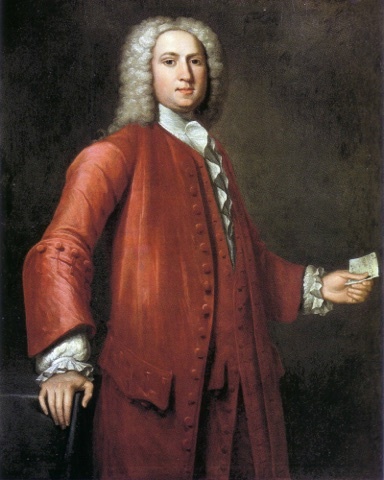
Benjamin Colman, ca. 1739
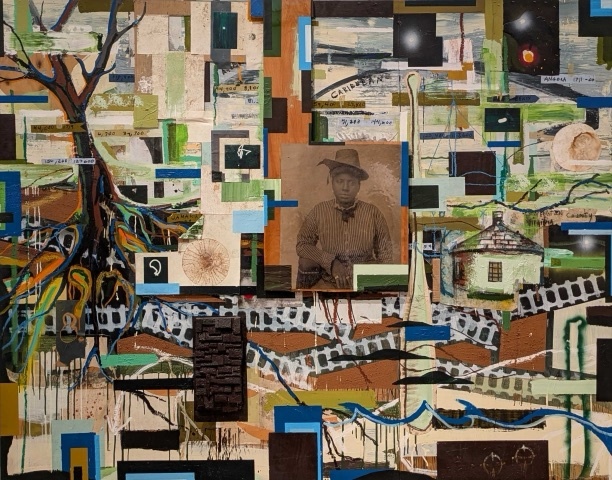
Transatlantic, 2003
- Colonial Atlantic commerce
- Enslavement and the Northern economy
- Forced migration; voluntary migration
- Historical memory
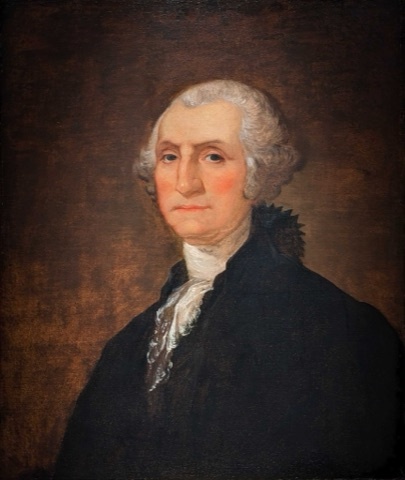
George Washington, 1850
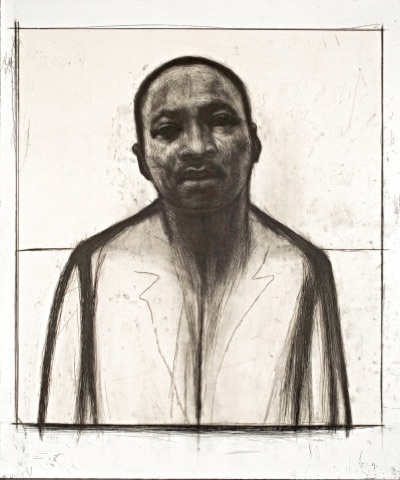
Martin Luther King, Jr., 2002
- Revolutionary leadership and the formation of national identity
- Founding ideals, citizenship, and access to political power
- Strategies and organizations of the Civil Rights Movement
- Ways in which portraiture shapes public memory and civic ideals
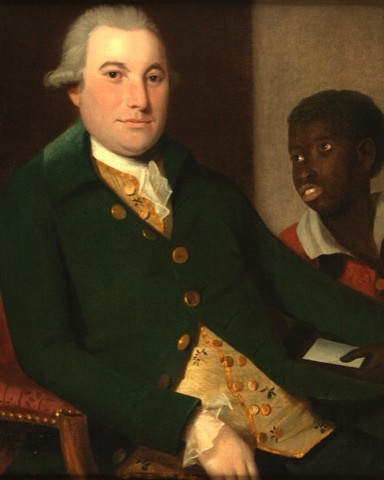
Gentleman with Attendant, ca. 1785-1788
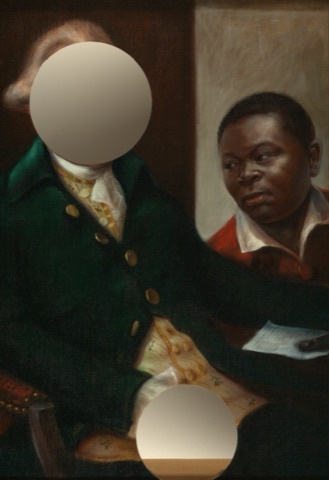
Jaavon & the Unknown Gentleman, 2011
- Slavery and racial hierarchy in the early American North
- Naming, anonymity, and marginalized voices
- Composition, scale, titles, and gaze as evidence of power
- Contemporary art as historical argument and critique
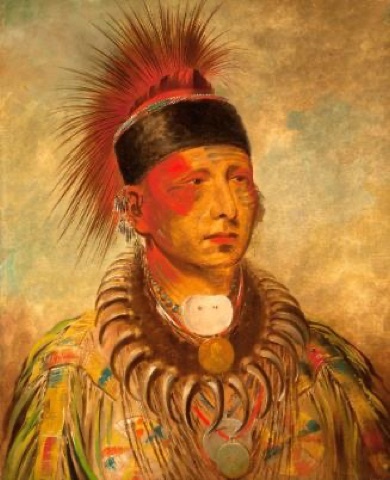
Mew-Hew-She-Kaw, The White Cloud, Chief of the Ioways, undated
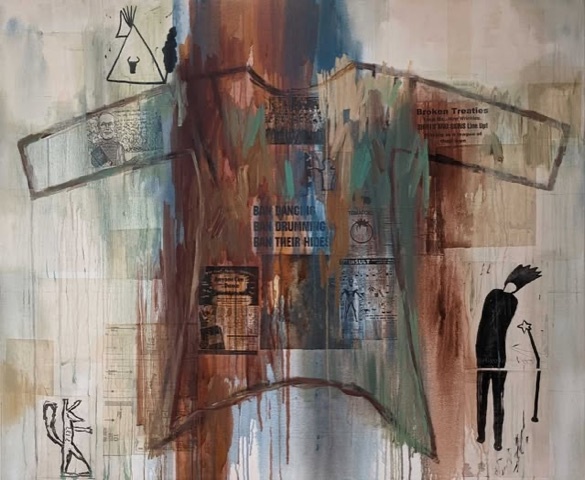
I See Red: Ban Dancing, 1998
- Westward expansion, treaties, removal, and Native sovereignty
- Outsider representation compared with Indigenous self-representation
- Federal assimilation policies, boarding schools, and suppression of Native cultural practices.
- Native activism, cultural survival, citizenship, and sovereignty